
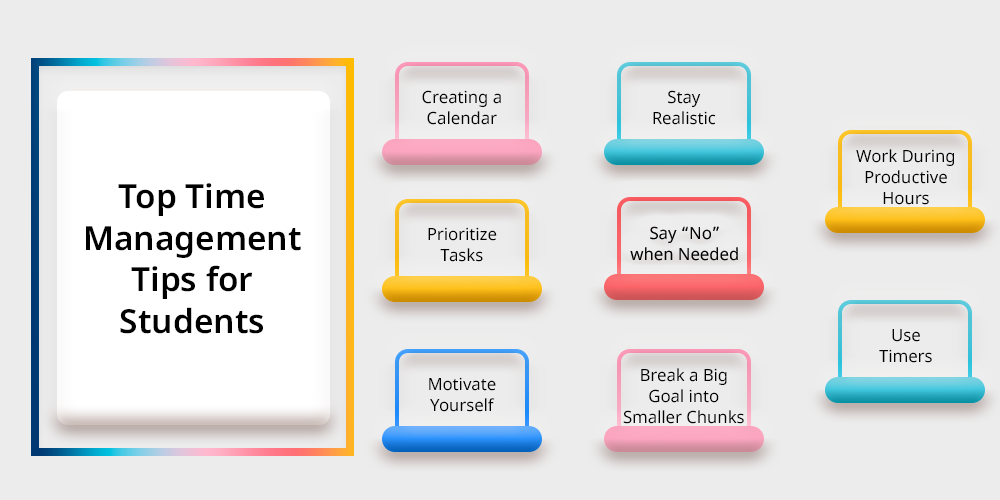
Students in Pakistan often face intense academic pressure, competitive exams, tuition schedules, and family responsibilities. Balancing all these demands can feel overwhelming, especially without proper planning. Learning effective time management tips for students in Pakistan can help reduce stress, improve academic performance, and create a healthier study routine. Time management is not about studying all day. It is about using your time wisely so you can achieve more with less effort.
This guide explains practical strategies that students can easily apply in daily life to stay organized and productive.
Understanding the Importance of Time Management
Time management plays a critical role in student success. Many students struggle not because they lack intelligence, but because they lack structure in their daily routines. Proper planning helps students complete assignments on time, prepare for exams without panic, and maintain a balanced lifestyle.
When students manage their time effectively, they experience improved concentration, better memory retention, and greater confidence. They also avoid last-minute cramming, which often leads to anxiety and poor performance.
Set Clear and Realistic Goals
The first step toward better time management is setting clear academic goals. Without goals, students often waste time because they lack direction. Goals should be specific and achievable.
For example, instead of saying “I will study more,” set a goal like “I will complete two chapters of Chemistry this week.” Clear goals make it easier to plan your daily schedule and stay motivated.
Students preparing for board exams, entry tests like MDCAT or ECAT, or university assignments should break large targets into smaller weekly or daily tasks. This approach prevents overwhelm and builds confidence.
Creating a Daily Study Schedule
A study schedule is one of the most effective tools for managing time. Pakistani students usually attend school, college, academies, or coaching centers, so organizing time around these commitments is essential.
A good schedule should include:
- Fixed study hours
- Break time
- Revision sessions
- Homework completion
- Rest and relaxation
Keep your schedule realistic. Overloading your day with too many tasks can lead to burnout and frustration.
Prioritize Important Tasks First
Not all tasks carry equal importance. Learning to prioritize helps students focus on what truly matters. A simple method is to divide tasks into three categories:
- Urgent and important
- Important but not urgent
- Less important
Always complete high-priority tasks first, such as assignments due soon or exam preparation. This habit reduces pressure and improves productivity.
Avoid Mobile Phone and Social Media Distractions
One of the biggest challenges for students today is digital distraction. Social media platforms consume hours without students realizing it. Checking messages frequently interrupts concentration and wastes valuable study time.
To stay focused:
- Turn off notifications while studying
- Use apps that block social media temporarily
- Keep your phone away from your study desk
Even reducing daily screen time by one hour can significantly improve productivity.
Study According to Your Energy Levels
Every student has different peak productivity hours. Some students focus better early in the morning, while others prefer studying at night. Identifying your most productive time helps improve efficiency.
Schedule difficult subjects when your energy is highest. Easier tasks can be completed during low-energy periods. This strategy allows students to achieve more in less time.
Use the Pomodoro Technique
The Pomodoro Technique is a popular time management method used by successful students worldwide. It involves studying in short, focused sessions followed by breaks.
A simple version includes:
- Study for 25–45 minutes
- Take a 5–15 minute break
Short breaks refresh the brain and improve concentration. This technique is especially helpful for long study hours during exams.
Break Large Tasks into Smaller Steps
Large chapters or projects often feel intimidating, leading to procrastination. Breaking tasks into smaller steps makes them easier to manage.
For example:
Instead of “Complete Physics Chapter,” try:
- Read concepts
- Write notes
- Solve practice questions
Completing small tasks creates a sense of achievement and motivates students to continue.
Maintain a Healthy Routine
Good time management includes taking care of physical and mental health. Students who ignore sleep and nutrition often experience low concentration and fatigue.
Healthy habits include:
- Sleeping 7–8 hours daily
- Eating balanced meals
- Drinking enough water
- Exercising regularly
A healthy lifestyle improves memory, focus, and overall productivity.
Learn to Say No to Unnecessary Activities
Many students lose valuable time because of unnecessary outings, excessive gaming, or social gatherings. While relaxation is important, too much distraction harms academic progress.
Learning to say no politely helps protect your study time. Discipline is a key factor in achieving success.
Review Your Progress Regularly
Successful students monitor their progress weekly. Reviewing your performance helps identify weaknesses and improve planning.
Ask yourself:
- Did I follow my schedule?
- Which subjects need more attention?
- What distracted me this week?
Regular evaluation helps students stay on track and develop better habits over time.
Use Technology for Productivity
Technology can support learning when used correctly. Students can use digital tools for reminders, online lectures, practice tests, and study planners. Educational apps can improve efficiency and help organize tasks effectively.
Instead of wasting time online, use technology as a learning partner.
Common Time Management Mistakes Students Should Avoid
Students often make mistakes that affect productivity. Avoid these habits:
- Studying only before exams
- Multitasking during study sessions
- Skipping revision
- Overloading your schedule
- Ignoring rest and sleep
Recognizing mistakes early helps students develop better routines.
Time Management During Exams
Exam season requires special planning. Students should start preparation early and focus on weak subjects first. Practicing past papers improves confidence and speed. Taking short breaks during study sessions prevents mental exhaustion.
Staying calm and consistent is more effective than last-minute cramming.
Conclusion
Developing strong time management skills is essential for academic success. Students in Pakistan face unique challenges, but with proper planning, discipline, and smart strategies, they can overcome these obstacles. Effective time management tips for students in Pakistan help create balance, reduce stress, and improve performance.
Success does not depend only on intelligence. It depends on how wisely students use their time. Start implementing these strategies today, and you will notice positive changes in your academic journey and personal growth.