
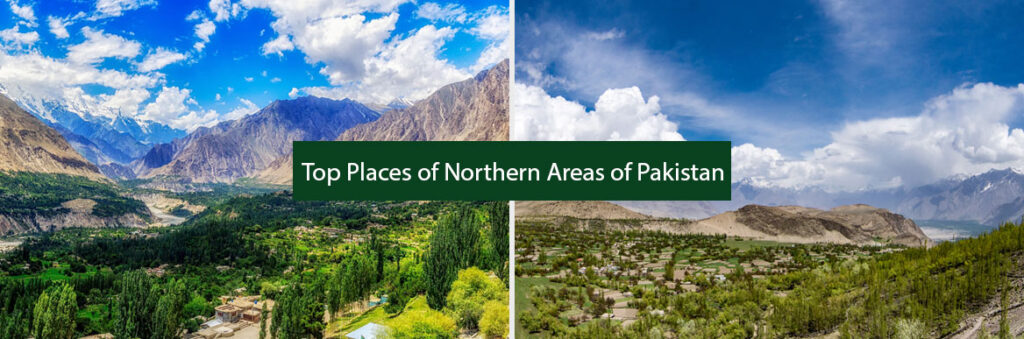
Pakistan’s northern regions are among the most breathtaking places in South Asia. Towering mountains, crystal lakes, green valleys, and peaceful villages make them a dream destination for travelers. From Hunza and Skardu to Swat, Naran, and Fairy Meadows, every area has its own beauty. But to enjoy these places fully, timing matters more than many people realize. Choosing the Best Time to Visit Northern Areas of Pakistan can shape your entire travel experience.
A trip to the north can feel magical in the right season and difficult in the wrong one. Roads may close, weather can change suddenly, and some valleys look completely different depending on the month. That is why travelers should not plan only by destination. They should also plan by season. The right timing helps you enjoy better views, smoother travel, and a more comfortable journey.
Why Timing Matters So Much
Northern Pakistan is not the kind of destination that feels the same all year. Weather changes quickly in mountain regions. A road that is clear in summer may be blocked in winter. A valley that looks fresh and green in May may look golden and calm in October. Even the same place can offer a very different mood from one season to another.
That is why the Best Time to Visit Northern Areas of Pakistan depends on what kind of trip you want. Some travelers want flowers and greenery. Others want snow-covered landscapes. Some want easy road access, while others care more about peace and fewer crowds. Once you understand what each season offers, it becomes much easier to choose the right time for your journey.
Spring Is Perfect for Blossoms and Fresh Views
Spring is one of the most beautiful times to explore the northern areas, especially if you enjoy flowers, cool air, and peaceful scenery. During this season, valleys begin to wake up after winter. Trees bloom, fields turn green, and the whole region feels fresh and alive. Hunza becomes incredibly attractive during blossom season.
This season is ideal for travelers who want beauty without the heavy rush of peak tourism. The weather is usually cool and pleasant, which makes sightseeing comfortable. Spring is also excellent for photography because the soft light and colorful landscapes create stunning scenes. If your goal is to see the north at its most delicate and refreshing stage, spring can be a wonderful choice.
Summer Is the Most Popular and Practical Season
For many travelers, summer is the easiest and most convenient time to head north. Roads are more open, hotels and tourist services are fully active, and many famous spots are easier to reach. Families, couples, and groups often prefer summer because it offers the best mix of accessibility and pleasant weather.
Places like Naran, Kaghan, Hunza, and Skardu become very lively during these months. Lakes are easier to visit, long road trips feel safer, and mountain views are at their clearest. Summer is often considered the Best Time to Visit Northern Areas of Pakistan for first-time visitors because it reduces many of the travel difficulties found in colder months. The only downside is that this is also the busiest season, so popular destinations can become crowded and more expensive.
Autumn Brings Color and Calm
Autumn is often overlooked, but it may be the most balanced season of all. The summer crowds begin to fade, the air becomes crisp, and the valleys start turning shades of gold, orange, and red. Hunza and Skardu look especially beautiful during this time, with tree-lined roads and mountain backdrops creating unforgettable views.
This season is ideal for travelers who want a quieter and more relaxed experience. Hotels may be less packed, roads are still manageable in many areas, and the landscapes feel rich and dramatic. Autumn also brings a certain calm that many people love. If you want fewer crowds and more peaceful scenery, this season can feel like the hidden gem of northern travel.
Winter Is Beautiful but Not Easy
Winter in northern Pakistan is stunning, but it is not the most practical season for most travelers. Snowfall transforms the mountains into a white wonderland, and some valleys look truly magical. However, beauty comes with real challenges. Roads may close, temperatures drop sharply, and many tourist activities become limited.
This does not mean winter should be avoided completely. It simply means it is better for travelers who are prepared for cold conditions and flexible plans. If your dream is to see snowy mountains and enjoy a quiet winter atmosphere, you may love it. But if you are visiting for the first time and want an easy and comfortable journey, winter may not be the best option.
Best Months for Most Travelers
If you are looking for the safest overall answer, the Best Time to Visit Northern Areas of Pakistan is usually from May to October. These months offer the best combination of road access, scenic beauty, comfortable weather, and tourist facilities. Within this range, your ideal timing depends on the type of experience you want.
May and June are excellent for greenery, spring freshness, and comfortable travel. July and August are best for full access to many destinations, though these months also bring more tourists. September and October are perfect for autumn colors, calm surroundings, and beautiful photography. This makes the late spring to early autumn period the strongest travel window for most people.
Which Season Should You Choose?
The best season depends on your travel style. If you love flowers, cool temperatures, and gentle beauty, choose spring. If you want easy access and a full tourism experience, choose summer. If you prefer color, peace, and fewer crowds, choose autumn. If snow is your priority and you are ready for a challenge, winter may still appeal to you.
The good thing is that northern Pakistan has something special in every season. The key is to match the season with your expectations. A traveler who wants comfort and accessibility may not enjoy winter. A traveler who wants quiet beauty may prefer autumn over summer. The better your timing, the better your journey will feel.
Final Thoughts
The Best Time to Visit Northern Areas of Pakistan is not the same for everyone, but for most travelers, the ideal months fall between May and October. This period offers the best weather, better road conditions, and the easiest access to famous northern destinations. It is the time when the mountains, valleys, and lakes are most welcoming to visitors.
In the end, northern Pakistan is a place of changing moods. Spring feels soft and colorful. Summer feels open and lively. Autumn feels rich and peaceful. Winter feels bold and dramatic. Each season tells a different story. When you choose the right time, you do not just visit the north. You experience it in the way it was meant to be remembered.