
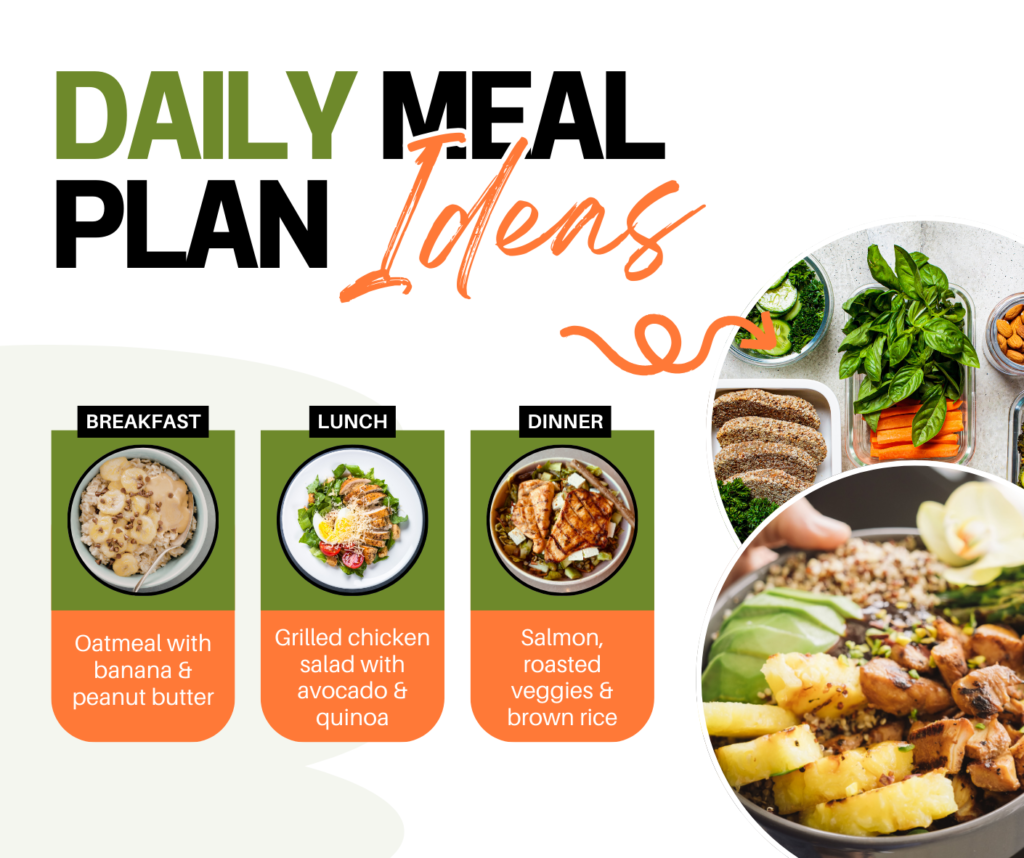
As a student, balancing academic, extracurricular activities, and a social life can be challenging enough without the added stress of meal planning. However, maintaining a healthy diet on a budget doesn’t have to be difficult. A cheap and healthy meal plan for students can help save money, stay energized for studying, and support long-term health. In this article, we’ll explore practical strategies, affordable ingredients, and meal ideas to help students create a nutritious and budget-friendly meal plan.
Why a Healthy Meal Plan is Essential for Students
A healthy diet is more than just a way to maintain a healthy weight. It plays a crucial role in mental clarity, concentration, and energy levels, all of which are vital for academic success. When students rely on processed, unhealthy foods or skip meals due to time constraints, it can lead to feelings of fatigue, poor concentration, and even weight gain.
To thrive both academically and physically, students should focus on balanced, nutrient-dense meals that provide sustained energy throughout the day. The good news is that healthy eating doesn’t have to be expensive. By planning and making smart grocery choices, it is entirely possible to eat well without breaking the bank.
How to Build a Cheap and Healthy Meal Plan for Students
1. Plan for the Week
The first step in creating an affordable meal plan is to organize meals for the entire week. This allows you to take advantage of sales, avoid impulse buys, and make sure you have everything you need. Spend a few minutes each week writing out a meal plan and making a grocery list. Stick to the list to avoid unnecessary purchases.
When planning meals, consider easy-to-make dishes that use a few simple ingredients. For instance, soups, stir-fries, and salads can be made with just a few items but still provide a balanced, healthy meal. Aim to include a variety of proteins, whole grains, fruits, and vegetables to ensure your meals are nutritionally balanced.
2. Choose Affordable Protein Sources
Protein is a vital macronutrient that helps build and repair muscles and keeps you feeling full longer. However, animal-based proteins like chicken and beef can be expensive. To keep costs low, incorporate affordable protein sources like:
- Eggs: Inexpensive and versatile, eggs can be scrambled, boiled, or made into an omelette.
- Legumes: Beans, lentils, and chickpeas are excellent plant-based protein options. They can be added to soups, stews, and salads.
- Tofu: A budget-friendly source of protein, tofu can be stir-fried, grilled, or added to curries.
- Canned tuna or salmon: These can be purchased in bulk and stored for a long time, making them a cheap and convenient protein option.
3. Incorporate Whole Grains and Fiber-Rich Foods
Whole grains are a crucial part of a healthy diet, providing energy and keeping you feeling full for longer. Some affordable whole grains include:
- Brown rice: A versatile base for stir-fries, bowls, and curries.
- Oats: Perfect for breakfast, oats can be prepared as overnight oats, porridge, or even baked into muffins.
- Whole wheat pasta: A budget-friendly option that pairs well with tomato sauce, pesto, or sautéed vegetables.
- Quinoa: While slightly more expensive than rice, quinoa can be used in smaller portions and is a great source of protein.
Adding fiber-rich vegetables such as spinach, broccoli, sweet potatoes, and carrots to your meals will help ensure you’re getting on a well-rounded diet.
4. Go for Frozen Fruits and Vegetables
Fresh produce is healthy, but it can be pricey, especially if you’re only buying a few items each week. A cost-effective alternative is to buy frozen fruits and vegetables. They are just as nutritious as fresh ones and often come in larger bags, which is great for meal prep. Stock up on frozen berries, peas, spinach, and mixed vegetables to add to smoothies, stir-fries, and soups.
Frozen fruits and vegetables are also less likely to go bad before you use them, making them a smart choice for students with busy schedules.
5. Cook in Bulk and Meal Prep
Cooking in bulk is an excellent way to save both time and money. By preparing large batches of meals, you can stretch your ingredients further and ensure you have healthy options readily available. Here are a few ideas for meal prepping:
- Batch cooking rice or quinoa: Cook a large amount at the beginning of the week and portion it out for various meals.
- Soups and stews: Make a big pot of soup or stew that can last for several days. Lentil soup, vegetable chili, and chicken noodle soup are affordable and nutritious options.
- Baked chicken or tofu: Roast a few pieces of chicken or tofu and use them in different meals throughout the week.
Proper storage is key to meal prepping. Invest in airtight containers to keep your prepped meals fresh and organized in the fridge or freezer.
6. Use Spices and Herbs for Flavor
One way to make cheap meals more exciting is to use spices and herbs. Instead of relying on expensive condiments or pre-made sauces, you can create flavorful dishes with a few basic spices. Garlic, cumin, paprika, chili powder, and turmeric are affordable and can transform simple dishes into culinary delights.
Fresh herbs like parsley, cilantro, and basil are also great additions to salads, stir-fries, and soups. Buying herbs in bulk and freezing them in ice cube trays with olive oil is a great way to preserve them for future use.
Simple, Affordable Meal Ideas for Students
Here are a few meal ideas that are both cheap and healthy:
- Vegetarian Stir-Fry: Sauté a variety of frozen or fresh vegetables with tofu or beans, and serve with brown rice or quinoa.
- Egg and Vegetable Scramble: Whisk eggs with leftover vegetables or greens for a quick, protein-packed breakfast or dinner.
- Chickpea Salad: Combine canned chickpeas, cucumber, tomatoes, olive oil, lemon juice, and spices for a refreshing salad.
- Lentil Soup: Cook lentils with carrots, celery, onions, and garlic for a hearty, budget-friendly soup.
- Oats with Fruit and Nuts: Start your day with a bowl of oatmeal topped with frozen fruit and a handful of nuts or seeds.
Conclusion
Eating healthily on a budget as a student is entirely achievable with a bit of planning and creativity. By choosing affordable protein sources, utilizing whole grains, and cooking in bulk, you can enjoy a balanced diet without breaking the bank. Remember, the key to a cheap and healthy meal plan for students is to plan, make smart grocery choices, and find creative ways to make meals both affordable and nutritious. With these tips and meal ideas, you’ll be able to fuel your body and mind while staying on budget.