
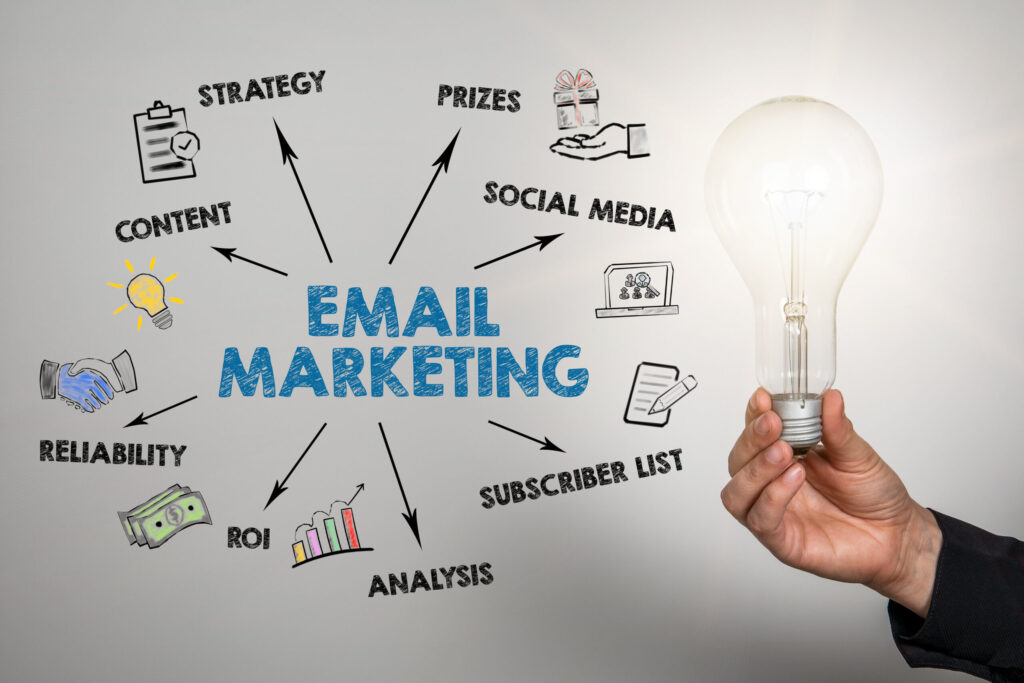
In the ever-competitive financial advisory industry, staying connected with your clients and prospects is critical. While there are many tools available to help financial advisors grow their client base, email marketing remains one of the most powerful and cost-effective strategies for building relationships, offering value, and engagement.
Email marketing allows financial advisors to communicate directly with their audience, offering tailored insights, updates, and services in a way that is both personal and scalable. In this article, we’ll explore why email marketing is crucial for financial advisors and how you can leverage it to nurture leads, retain clients, and grow your business.
Why Email Marketing Matters for Financial Advisors
- Direct and Personal Communication: Unlike social media or paid advertisements, email allows you to directly reach your audience’s inbox. With email, you have the ability to craft personalised messages that speak to your clients’ specific financial goals, needs, and interests.
- High Return on Investment (ROI): Email marketing offers one of the highest ROIs among digital marketing strategies. According to a study by Campaign Monitor, every $1 spent on email marketing can generate an average return of $42. This makes it an extremely cost-effective way to grow your financial advisory business.
- Build and Maintain Trust: Financial services are built on trust, and email provides a way to continually nurture that trust over time. By providing clients with relevant financial advice, timely updates, and exclusive offers, you demonstrate your value and expertise, keeping your brand top of mind.
- Targeted Messaging: With email marketing, you can segment your client list based on specific demographics, interests, or behaviours. This allows you to send targeted messages that are more likely to resonate with recipients, increasing the likelihood of conversions and customer loyalty.
- Measurable Results: Email marketing offers robust analytics, allowing you to track open rates, click-through rates, conversions, and other important metrics. This data helps you assess the effectiveness of your campaigns, make improvements, and refine your strategy for better results.
Key Email Marketing Strategies for Financial Advisors
To maximize the impact of email marketing, financial advisors must adopt targeted strategies that speak directly to their audience’s needs. Here are some effective strategies to implement:
1. Build a High-Quality Email List
The success of any email marketing campaign starts with a high-quality email list. Your list should consist of people who are genuinely interested in your financial services, such as prospects who have requested information or current clients who have opted in to receive updates.
To grow your email list, you can:
- Offer a lead magnet (e.g., free eBooks, financial guides, or webinars) in exchange for email sign-ups.
- Use opt-in forms on your website and social media channels, ensuring users can easily subscribe.
- Encourage existing clients to refer to others by offering a small incentive or reward for successful referrals.
Remember, it’s essential to focus on quality over quantity. A smaller, highly engaged list is much more valuable than a larger, disinterested one.
2. Segment Your Audience for More Relevant Campaigns
Segmentation is a crucial aspect of effective email marketing. By categorizing your email list based on factors like demographics, financial goals, or stage in the buyer’s journey, you can send more relevant and personalized content. Here are some common ways to segment your email list:
- Client type: Different clients have different needs. Segment your list based on whether clients are retirees, investors, young professionals, or business owners. Tailor your content to address the specific financial challenges and opportunities they face.
- Engagement level: Send different messages to highly engaged clients (e.g., those who open your emails frequently) versus less-engaged clients (e.g., those who haven’t opened an email in months).
- Financial goals: Prospects or clients interested in retirement planning should receive different content than those looking for investment advice or debt management.
By sending more personalized and relevant emails, you’ll increase engagement and improve the effectiveness of your campaigns.
3. Craft Compelling and Educational Content
One of the most powerful aspects of email marketing for financial advisors is the ability to educate your audience. By providing valuable insights and financial advice, you position yourself as a trusted expert in your field.
Some content ideas for financial advisors include:
- Market updates and economic news: Share updates about the stock market, interest rates, and relevant economic events that could impact your clients’ financial decisions.
- Financial tips: Provide actionable advice on topics like saving for retirement, managing debt, or building wealth.
- Case studies and success stories: Showcase how you’ve helped clients reach their financial goals to build credibility and trust.
- Personalized financial planning advice: Offer tips tailored to your clients’ specific goals, such as tax-saving strategies for high-income earners or budgeting tips for young professionals.
The key is to provide educational content that is not only informative but also actionable. By doing so, you ensure that your audience finds value in your emails and looks forward to receiving them.
4. Create Effective Call-to-Actions (CTAs)
Your email should always include a clear and compelling call-to-action (CTA). Whether it’s booking a consultation, downloading a financial guide, or attending a webinar, make it easy for recipients to take the next step.
When crafting CTAs, keep these tips in mind:
- Be clear and direct: Use action-oriented language, such as “Schedule Your Free Consultation” or “Download Our Free Investment Guide.”
- Create urgency: Phrases like “Limited spots available” or “Offer ends soon” can encourage recipients to act quickly.
- Keep it simple: Make sure your CTA is easy to find and only leads to one desired action. Don’t overwhelm your readers with multiple options.
Effective CTAs are crucial for converting leads into clients, so don’t skip this step.
5. Use Automation to Nurture Leads
Email automation allows you to send a series of pre-scheduled emails to prospects and clients based on specific triggers. This helps you nurture leads over time, providing them with the right information at the right moment.
Some examples of email automation for financial advisors include:
- Welcome emails for new subscribers that introduce your services and provide valuable resources.
- Onboarding sequences for new clients, helping them get started with their financial planning journey.
- Lead nurturing campaigns that send relevant content to prospects who have shown interest in specific financial products or services.
Automation helps you stay top-of-mind with your clients and prospects, ensuring they don’t forget about you when they’re ready to make a financial decision.
6. Monitor Performance and Optimize Your Campaigns
The beauty of email marketing lies in its ability to provide detailed analytics. By tracking key metrics like open rates, click-through rates, conversion rates, and unsubscribe rates, you can assess the effectiveness of your campaigns.
Regularly review your email campaigns and adjust based on performance data. For example, if a particular subject line consistently yields higher open rates, consider using similar phrasing in future emails. Or if a specific type of content is generating more clicks, focus on creating more of that content.
Continuous optimization helps you refine your strategy and achieve better results over time.
Conclusion
Email marketing for financial advisors is an essential tool for building relationships, educating clients, and driving business growth. By delivering valuable content, personalizing your messages, and automating your campaigns, you can engage your clients and prospects effectively and turn them into loyal, long-term customers.
Remember, email marketing is about consistency, trust, and offering value. By doing so, you will create a meaningful connection with your audience and set your financial advisory business up for long-term success.