
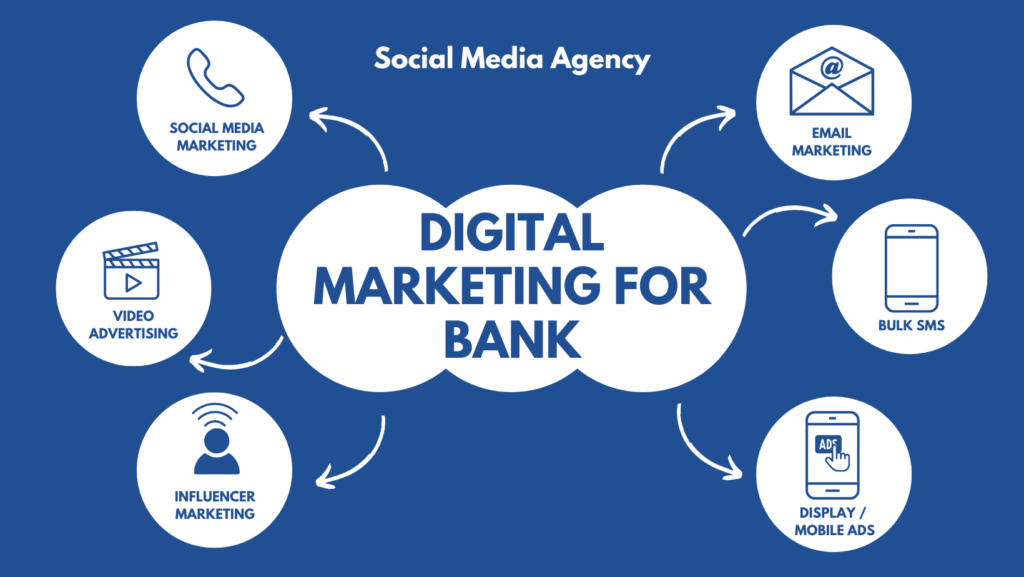
In today’s fast-paced, digitally driven world, social media marketing for banks is no longer optional, it’s a necessity. Banks, once seen as traditional institutions focused on face-to-face relationships and brick-and-mortar operations, now must adapt to the digital era where their customers expect convenience, real-time communication, and interactive experiences.
Social media offers an excellent platform for banks to engage with their customers, promote services, and build their brand’s online presence. Whether it’s through Instagram, LinkedIn, Twitter, or Facebook, social media marketing can help banks stay relevant, trusted, and competitive in a rapidly changing financial landscape.
In this article, we’ll explore why social media marketing is essential for banks, and we’ll outline key strategies that can help banks improve customer engagement and drive business growth.
Why Social Media Marketing Matters for Banks
- Customer Engagement: Social media provides banks with an opportunity to directly engage with their customers. By posting valuable content, responding to questions, and addressing concerns, banks can build stronger relationships with both existing and potential clients.
- Brand Awareness: A well-executed social media strategy helps banks raise awareness about their services and brand. It’s an effective way to introduce new products, promote campaigns, and inform the public about the bank’s values and initiatives.
- Trust and Transparency: Financial institutions are built on trust, and social media allows banks to demonstrate transparency in their operations. By showcasing their commitment to security, customer service, and community initiatives, banks can foster greater trust.
- Targeted Marketing: Social media platforms provide banks with powerful targeting tools. Banks can segment their audience based on demographics, interests, and behavior, allowing for personalized campaigns that cater to different customer needs, whether it’s offering mortgage advice or promoting investment opportunities.
- Real-Time Updates: Banks can use social media to provide real-time updates about products, services, or important announcements. Whether it’s new branch openings, interest rate changes, or financial tips, social media allows banks to quickly spread the word.
Key Social Media Marketing Strategies for Banks
1. Educational Content Creation
One of the most effective ways banks can use social media is by sharing educational content. Financial services are complex, and many customers often find themselves overwhelmed by banking products, loans, mortgages, and investment strategies. By creating informative content, banks can help demystify these topics for their audience.
Content can take various forms, such as:
- Infographics that simplify complex financial concepts.
- Short explainer videos about loans, savings, or credit scores.
- Webinars and live Q&A sessions addressing common banking questions.
- Blog posts and articles that offer financial tips and insights.
For example, a bank might create a social media post explaining how to improve credit scores or providing tips for saving for retirement. These pieces of content not only educate customers but also position the bank as an authoritative resource in financial matters.
2. Customer Service and Community Engagement
Social media is a two-way communication channel. Banks should use their platforms to actively engage with their customers and respond to inquiries or concerns in real-time. Providing customer service on social media is one of the most direct ways to build relationships with customers and shows that the bank cares about their needs.
Create a social media support team that can respond to customer queries, complaints, or issues promptly. Additionally, banks can engage with their customers by asking questions, running polls, or even featuring user-generated content. Engaging customers in meaningful conversations shows that the bank is listening and values their input.
A great example would be a bank using Twitter to provide updates during a system outage or answering questions about recent product changes. This transparency is crucial in building trust, especially in the financial industry.
3. Targeted Advertising for Specific Products
Social media platforms, such as Facebook and LinkedIn, offer advanced targeting options that allow banks to create highly customized ad campaigns. These platforms provide banks with the opportunity to reach specific audiences based on location, age, income, financial behavior, or interests.
For example, a bank offering home loan products could run an ad campaign targeting people in a certain location who have recently shown interest in real estate. Similarly, banks can target younger audiences with student loan information or retirement savings tips. These hyper-targeted ads can increase the likelihood of conversions because they are tailored to the specific needs of the audience.
Paid campaigns can be in the form of sponsored posts, carousel ads, or video ads, and should focus on promoting products that are most relevant to the targeted audience.
4. Leverage Influencers for Credibility
Influencer marketing is no longer limited to lifestyle brands. Financial services have also begun collaborating with influencers to promote their services. While influencer marketing is more common in industries like fashion and travel, it can work equally well for banks looking to build trust and credibility.
Collaborating with trusted influencers, especially those with a significant following in the finance, personal development, or entrepreneurship sectors, can help banks reach a wider audience and increase brand awareness. These influencers can share their experiences with the bank’s services, provide financial tips, or even host live sessions to discuss financial topics.
For example, an influencer might discuss their experience with a bank’s new savings product, or a personal finance blogger could partner with a bank to share tips on managing credit card debt.
5. Run Social Media Contests and Giveaways
A fun and effective way to engage with your social media audience is by running contests or giveaways. While banks may not have the same appeal as fashion brands in offering freebies, they can still provide valuable incentives related to their services.
For instance, a bank might run a contest where followers can win financial planning consultations or have the chance to receive cashback for opening a new account. These types of campaigns can incentivize customers to interact with the bank’s social media pages, share the content, and even refer their friends.
Contests not only generate excitement but also increase visibility, expand reach, and encourage engagement.
6. Showcase Social Responsibility
Social media is an excellent platform for banks to showcase their corporate social responsibility (CSR) initiatives. Financial institutions often engage in community-building activities, environmental causes, or charity work, and sharing these efforts on social media helps build goodwill with their audience.
Banks can highlight partnerships with local organizations, charity events, or sustainability programs through social media posts and stories. Demonstrating commitment to positive change enhances a bank’s reputation and fosters a deeper connection with socially conscious customers.
Conclusion
Social media marketing for banks is not just about pushing products, it’s about building relationships, educating your audience, and establishing your brand as a trusted financial partner. By adopting strategies like content marketing, customer engagement, paid advertising, influence partnerships, and showcasing social responsibility, banks can harness the power of social media to grow their customer base and strengthen their online presence.