
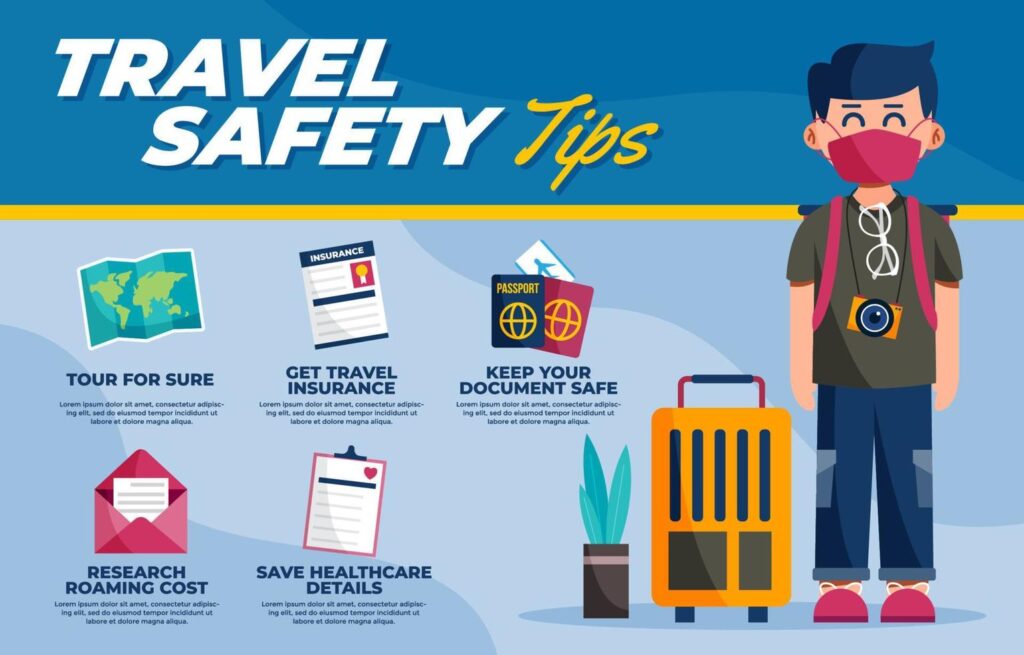
Pakistan is a land of breathtaking landscapes, rich cultural heritage, and historical landmarks that attract travelers from around the world. From the stunning peaks of the Karakoram Range to the bustling markets of Lahore and the serene beauty of Hunza Valley, Pakistan offers an unforgettable experience for tourists. However, like any country, it is important to be mindful of safety while traveling to ensure a smooth and enjoyable journey.
For those considering traveling to Pakistan, this travel safety guide provides practical tips to help you stay safe, be prepared, and make the most of your trip. Whether you’re a first-time visitor or a seasoned traveller, these safety tips will help you navigate the country with confidence.
1. Research and Plan Ahead
Before embarking on your trip, it’s crucial to do thorough research about your destination. This includes understanding the local culture, weather, security situation, and specific risks that may be present in the region you plan to visit.
- Stay Informed: Regularly check travel advisories issued by your home country’s government or relevant travel authorities. These advisories provide valuable information on any area that may have safety concerns or restrictions.
- Know the Local Culture and Customs: Pakistan is a predominantly Muslim country, and understanding its customs and etiquette will help you avoid cultural misunderstandings. Dressing modestly, especially in rural areas, and respecting local traditions will ensure you have a positive experience.
- Plan Your Route: When traveling to multiple destinations, plan your itinerary carefully. Ensure that you have a list of emergency contacts, local hospitals, embassies, and places of interest that are relevant to your trip.
2. Health and Vaccinations
Ensuring that you are in good health and prepared for any potential medical needs is essential when traveling to Pakistan.
- Vaccinations: Before traveling, check with your healthcare provider about necessary vaccinations. Common vaccinations for travelers to Pakistan include Hepatitis A, Hepatitis B, Typhoid, and Tetanus. If you plan to visit rural areas, malaria prophylaxis may also be recommended.
- Travel Insurance: It is highly recommended to get travel insurance that covers medical expenses, as well as emergency evacuation if needed. Medical facilities in major cities are adequate, but in more remote areas, healthcare options can be limited.
- Medication: Carry any prescription medication you may need, along with a copy of your doctor’s prescription. Some medications that are common in other countries may not be easily available in Pakistan, so it’s important to bring what you need.
3. Choose Safe Accommodation
Where you stay during your travels is crucial for ensuring your safety and comfort. Pakistan offers a range of accommodations, from budget hostels to luxury hotels. Here are some tips for choosing safe accommodation:
- Research Reviews: Before booking, check online reviews from other travelers on platforms like TripAdvisor, Booking.com, or Airbnb. These reviews can provide insights into the quality and safety of the accommodation.
- Location Matters: Choose accommodations that are in safe, well-populated areas. Avoid staying in remote locations unless you’re traveling with a local guide or have experience navigating such areas.
- Hotel Safety Features: opts for hotels with basic security measures, such as 24-hour reception, secure entrances, and well-lit surroundings. Avoid accommodation that feels isolated or has questionable security.
4. Transport Safety Tips
Getting around Pakistan can be an adventure, but it’s important to ensure that your transportation choices are safe and reliable.
- Use Trusted Transport Services: In cities, use ride-hailing services like Uber, Careem, or local taxis that are well-regulated. Avoid taking random rides from unregistered cabs, as these can be risky.
- Public Transportation: While Pakistan’s public transport system is extensive, it may not always be the most reliable or safest option for tourists, especially during peak hours. If you do use public transportation, exercise caution and keep an eye on your belongings.
- Avoid Traveling at Night: When possible, avoid long-distance travel at night. This applies to both buses and trains, as visibility and safety can be compromised after dark.
- Driving: If you’re renting a car, be aware that driving styles in Pakistan may differ from what you’re used to. Roads can be congested, and traffic rules may not always be strictly followed. Consider hiring a local driver if you’re unfamiliar with the area.
5. Stay Alert and Be Mindful of Your Belongings
Petty theft, such as pickpocketing, can occur in crowded areas, especially in larger cities and popular tourist spots. To reduce the risk, follow these safety tips:
- Keep Valuables Secure: Always keep your valuables, such as passports, money, and electronics, in a secure, hidden location. Use a money belt or neck pouch for easy access to important documents.
- Avoid Flashing Wealth: While traveling, avoid wearing expensive jewelry or showing large amounts of cash. This can attract unwanted attention, particularly in crowded areas.
- Stay Vigilant: Always be aware of your surroundings. Avoid distractions like excessive phone use while walking, and remain alert in busy markets, public transportation, and tourist attractions.
6. Avoid Political Gatherings and Unrest
While Pakistan is a beautiful and welcoming country, like many places, it can experience political protests and unrest. These situations can sometimes turn unpredictable and dangerous. To stay safe, follow these precautions:
- Stay Away from Protests: Avoid participating in or even approaching political protests, rallies, or large gatherings, as these can escalate quickly.
- Follow Local News: Keep yourself informed about the current political situation by following local news and updates. If you’re unsure about a particular area, ask locals or your hotel staff for advice.
7. Emergency Preparedness
Emergencies can arise anywhere, so it’s essential to be prepared.
- Know Emergency Numbers: Familiarize yourself with local emergency numbers, such as the police (15) and ambulance (1122). In case of an emergency, knowing the right number to call can save valuable time.
- Keep a Copy of Important Documents: Carry photocopies of your passport, visa, and important travel documents. Keep the originals in a secure place, such as a locked bag or hotel safe.
- Local Embassy Contact: In case of any serious issues, such as lost passports or legal trouble, knowing the contact details of your embassy or consulate is important.
8. Respect Local Culture and Customs
Pakistan is a country rich in culture and tradition, and respecting local customs can help you avoid misunderstandings and ensure a smooth trip.
- Dress Modestly: Pakistan is a conservative country, and it’s important to dress modestly, especially in rural areas and religious sites. Women are advised to wear long sleeves, loose-fitting clothing, and headscarves in certain areas.
- Public Behavior: Public displays of affection are generally frowned upon in Pakistan. Always be respectful of local norms and practices.
- Greetings and Etiquette: When greeting locals, a simple “As-Salaam-Alaikum” (peace be upon you) is common and appreciated. Avoid physical contact, such as handshakes, unless the other person initiates it.
Conclusion
Pakistan is a country filled with natural beauty, rich history, and warm hospitality. With a little preparation and an awareness of safety precautions, you can explore its many wonders with confidence. Whether you’re trekking through the mountains, visiting historical sites, or immersing yourself in local culture, following these travel safety tips for tourists will ensure that your trip is not only enjoyable but also secure. Embrace the adventure, respect the culture, and make the most of your time in this incredible destination!